
Why this comes first
Single-purpose AI agents are short-term fixes to a structural problem.
Industrial products companies live with PLM, ERP, CRM, MES, field service, support, and a dozen content systems that each carry their own version of business reality. Bolting an agent onto one of them solves a narrow problem and inherits all of the data's existing flaws.
The AI Data Intelligence Layer is different. It's a foundational layer that synthesizes data across departments into one grounded, queryable, versioned source of truth — with a clear authority hierarchy and full audit trails. Everything downstream gets faster, cheaper, and more reliable as a result.
Architecture
Four layers, designed for industrial complexity.
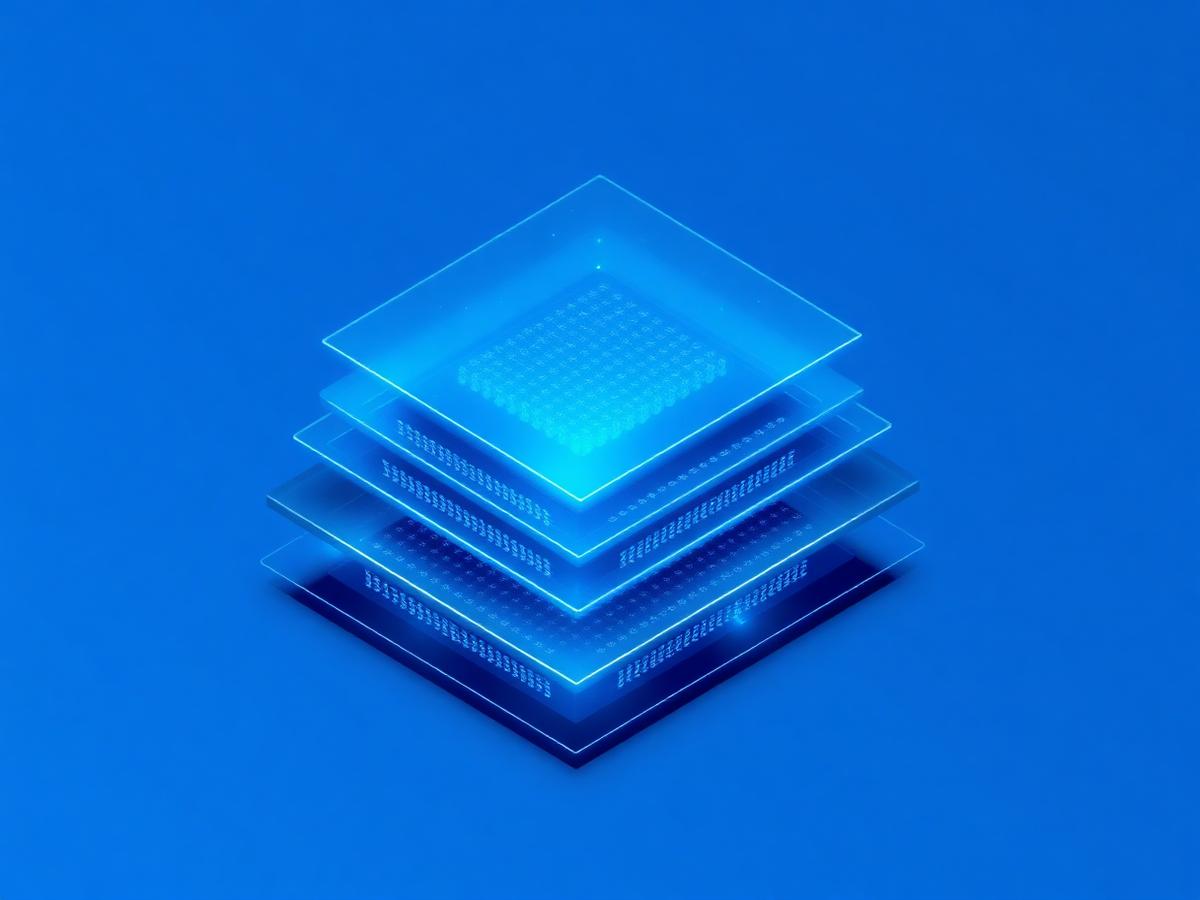
Data Layer
Captures structured (ERP, CRM, MES, analytics) and unstructured (specs, docs, transcripts, emails) data. Standardizes, tags, and applies a hierarchy of truth.
Synthesis Layer
Identifies what's incorrect, what's missing, and what the market is responding to. Outputs structured insights with confidence scores and supporting evidence.
Human-in-the-Loop
Domain experts approve, reject, or correct conclusions. Feedback becomes permanent customer-specific memory — the system gets smarter, week by week.
Execution Layer
Insights routed to the right stakeholders in product, marketing, sales, service, and operations. Tasks, owners, priorities, and outcomes tracked.
Immediate Operational Value
A trusted data foundation pays for itself before the first agent ships.
Self-serve access for every role
Anyone in the company — at their permission level — can ask questions of company data and get grounded, source-cited answers in plain language.
Continuous alignment monitoring
Automated detection of misalignments between engineering, marketing, sales, and support — flagged, scored, and routed to the right owner.
One version of product truth
PLM, spec sheets, certifications, firmware notes, and roadmap signals reconciled into a single authoritative product graph.
Foundation for every downstream agent
Once the foundation is in place, building agents for quoting, scheduling, quality, forecasting, and customer service goes from quarters to weeks.
What changes once the foundation is live.
- →Every member of the company, at their permission level, can access the data relevant to their work and trust what they see.
- →Information no longer has to be translated between departments by humans — the system synthesizes for the right audience.
- →Misalignments between departments are continuously monitored, automatically flagged, and in many cases reconciled.
- →Selected high-risk actions are continuously validated against company truth before they ship.
Phase 2
Build the foundation. Compound everything after.
Most industrial AI failures trace back to data the model couldn't trust. We deploy the foundation first, then every agent on top ships in weeks, not quarters.
Talk to us about Phase 2- Unified product, ops, and GTM data
- Source-cited answers for every role
- Continuous alignment monitoring
- Reusable foundation for every agent